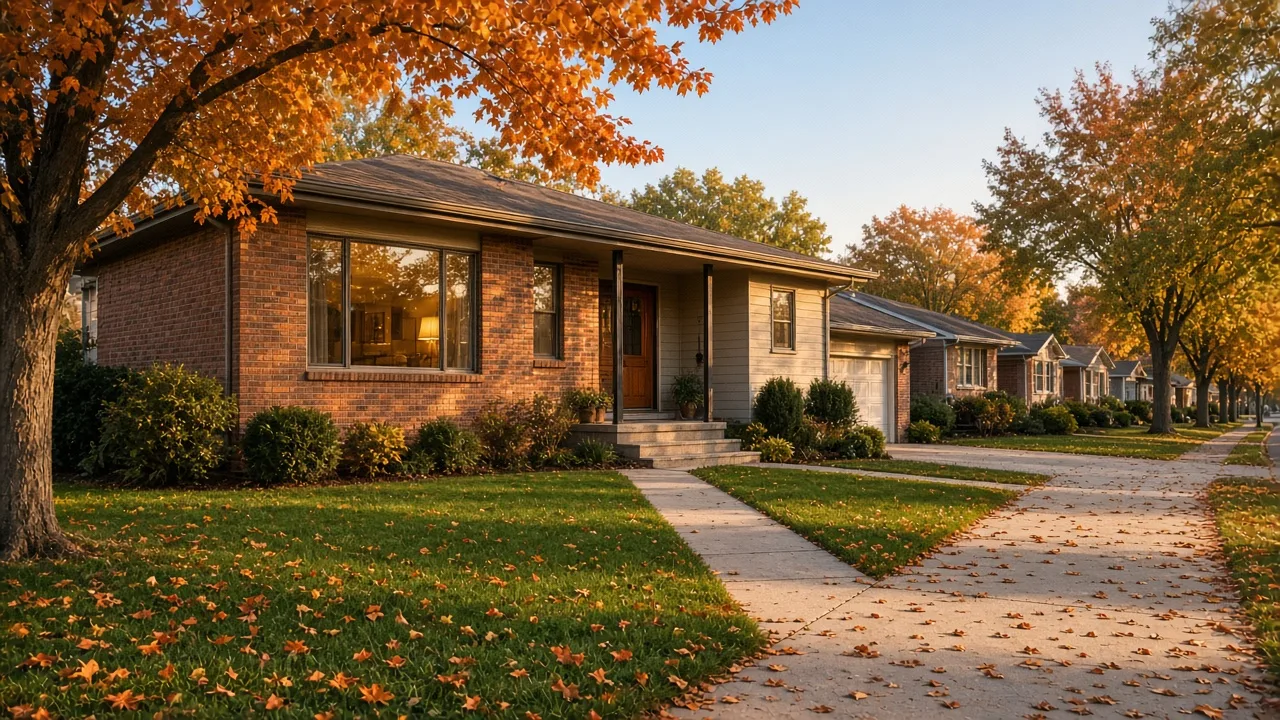
If you have been searching Mount Laurel homes for sale, you already know the pattern: a well-priced house in a popular neighborhood draws multiple offers within its first week. Bidding wars still happen here in 2026, especially on updated homes in Ramblewood, Springdale, and Barclay, so the question is not whether you will compete, but how you compete without overpaying. This guide walks through the offer moves that actually win in Mount Laurel, from earnest money and escalation clauses to the contingencies you can safely relax.
The goal is a clean, credible offer that a seller picks over the others, at a price you can live with comfortably. Everything below follows how the local market actually behaves, so you can bid with confidence instead of guessing.
Do Bidding Wars Still Happen in Mount Laurel in 2026?
Yes, they do, but they are selective rather than universal. Mount Laurel is the largest town by transaction volume in Burlington County, with 177 sales in Q2 2026 and a median sale price of $377,400 in the 08054 zip code. Homes go under contract in a median of about 28 days, and the average sale-to-list ratio sits at 99.8%, which tells you most buyers pay very close to the asking price. When several well-qualified buyers want the same home, the result is competition that pushes the final number past the list price.
Not every house triggers a bidding war. The homes that attract multiple offers tend to be priced right from day one, updated where buyers notice, and in the neighborhoods families search for first. If you want the full year-to-date picture before you start bidding, our Mount Laurel home prices and market trends post has the numbers from Bright MLS.
How Can You Tell a Home Will Be Competitive Before You Bid?
Listing agents often signal competition from the start. When the listing says "highest and best by Tuesday at noon" or "offers reviewed as received," multiple offers are expected. Other telltale signs: the price sits at or slightly below recent comparables, the kitchen and baths are updated, the roof and systems are newer, the lot is a cut above the street, and the home backs close to a well-regarded school like Harrington Middle School or Mount Laurel High School.
You can also ask your agent to call the listing agent before you bid. A quick conversation reveals whether showings are stacked, whether an offer is already in hand, and how many offers the seller expects. In Mount Laurel the first week tells the story, so be prepared to move quickly if the signs are there.
What Should You Have Ready Before You Make Any Offer?
A full pre-approval, not just a pre-qualification, is the foundation. Sellers and listing agents in competitive situations ask about financing strength, and a pre-approval from a local lender carries weight because the lender knows the Mount Laurel market and can close on time. Have your down payment funds documented, your credit file clean, and your income paperwork already gathered.
Knowing your true monthly number matters just as much. On a median-priced Mount Laurel home, New Jersey property taxes typically run around $11,500 to $12,000 a year, which means taxes are a real line item in every monthly payment. Add homeowners insurance, utilities, and maintenance, and you have the full picture before you commit to a bid. Our how much income you need to buy in Mount Laurel guide does the math for you, and our Mount Laurel schools guide and commute guide help you confirm that the home fits your life before you fall in love with it.
How Much Earnest Money Should You Offer?
The earnest money deposit is the cash you put up with your offer to show you are serious, and in New Jersey it is held in escrow and credited toward your down payment at closing. In a normal market, buyers typically put down 1% to 3% of the purchase price. In a bidding war, a deposit of 5% or more signals confidence and gives a seller one less reason to worry the deal will fall apart.
The deposit is only at risk if you breach the contract, so a healthy deposit is a low-risk way to strengthen your offer. As long as your cash position still works after the down payment, a larger deposit is one of the simplest credibility boosts available.
What Is an Escalation Clause, and Should You Use One?
An escalation clause says you will beat any competing offer by a set amount, say $2,500, up to a maximum price you name in advance. Your agent requests written proof of the competing offer before the clause activates, so you never pay more than a real, documented bid requires. This is the most common competitive tool in Mount Laurel's fast-moving neighborhoods.
The key is choosing your cap honestly. Your escalation ceiling should be the number you would feel calm paying after you close, not the number you hope will win. If the home is worth $400,000 to you and the market pushes it to $415,000, the clause quietly stops bidding at your number. That discipline is what keeps a bidding war from becoming a mistake.
Which Contingencies Can You Relax Without Big Risk?
In a multiple-offer situation, the offer with the fewest obstacles usually wins. You do not have to take the riskiest route to compete, but you should be ready to tighten your timeline and expand your flexibility where it costs you little.
- Keep the home inspection, but shorten it. Offer a seven- to ten-day inspection window instead of the standard two weeks, and have your inspector lined up before you bid so there is no delay.
- Consider appraisal gap coverage. Agree in writing to cover the first several thousand dollars if the appraisal comes in below the contract price. This is one of the strongest signals to a seller that your financing will not implode the deal.
- Offer a flexible closing date. A seller moving out of a Ramblewood colonial or a Barclay brick ranch may need extra time, and matching their timeline can beat a higher bid.
- Avoid a home-sale contingency. If you must sell your current home first, a bridge loan or a rented next home strengthens your position enormously. Sellers read "sale contingency" as uncertainty.
Does a Buyer's Cover Letter Actually Help in Mount Laurel?
Sometimes, and it costs nothing. A short letter that talks about the home itself, your plans for it, and why the neighborhood fits, can tip a close call when the seller has an emotional tie to the house they are leaving. Talk about the commute to Philadelphia, the schools you are looking forward to, evenings at Laurel Acres Park, or the farmers market runs to Rancocas Woods. Keep it about fit, not about personal characteristics, so it stays comfortably within fair housing law.
The letter is a tiebreaker, not a substitute for a strong offer. Buyers who pair a clean offer with a genuine, well-written note give the seller a reason to choose them, and in Mount Laurel that human connection matters more than buyers expect.
What Moves Almost Never Pay Off in a Bidding War?
The most common mistake is waiving the home inspection entirely. Whatever you save in competition you can easily pay in surprise repairs, and most Mount Laurel sellers do not expect you to. Other moves that backfire: bidding without reviewing recent comparables, adding an escalation clause with no ceiling, maxing out your approved amount so every rate move hurts, and skipping pre-approval details a listing agent will question.
There is also no point bidding on a home you already suspect is overpriced. Mount Laurel's 99.8% sale-to-list ratio means fair-priced homes move quickly, but a home that sits for weeks is telling you something. If a neighborhood feels out of reach, our Mount Laurel neighborhood guide shows how prices and home styles vary from Southgate to Holly Hills to the Country Club area, and there is usually a better fit a few streets over.
How Do You Settle on Your Best Offer Price?
Start with comparables, not the list price. Look at the most recent sold homes in the same neighborhood with similar square footage, updates, and lots, and build your offer from that evidence, not from your emotions about the house. Decide your walk-away number before you bid and write it down, then let the escalation clause or your agent hold the line at that number.
Remember that price is only part of what wins. A slightly lower offer with a higher deposit, a fast inspection, appraisal gap coverage, and a flexible closing date regularly beats a bare higher number, because it looks like fewer ways for the deal to die. Where homes sell for 99.8% of asking on average, most competition stays in a narrow band above list for the right home, so the winner is usually the offer with the cleanest terms, not the most money.
Frequently Asked Questions
Do bidding wars still happen in Mount Laurel?
Yes, on well-priced, well-presented homes in popular neighborhoods like Ramblewood, Springdale, and Barclay. Mount Laurel had 177 sales in Q2 2026, a median price of $377,400, and a 99.8% sale-to-list ratio, so competition is concentrated on the homes priced right from day one.
How much should I offer over asking price?
Not necessarily anything. Many Mount Laurel homes sell at list price, and the average sale-to-list ratio is 99.8%. When competition is real, buyers often win with clean terms, higher earnest money, and a reasonable escalation clause rather than with the highest number alone.
What is a typical earnest money deposit in New Jersey?
Most offers put down 1% to 3% of the purchase price. In a bidding war, a deposit of 5% or more signals seriousness and is held in escrow until closing, then credited toward your down payment.
Should I use an escalation clause as a buyer?
Yes, when used with discipline. Agree to beat a documented competing offer by a set amount up to a cap you are comfortable paying, and have your agent request written proof of the other offer before the clause activates.
Should I waive the home inspection to win?
Generally not. Waiving the inspection trades away your ability to walk away from serious defects. A shorter inspection window or inspecting for informational purposes only keeps you competitive without giving up the biggest protection in the process.
How fast do homes in Mount Laurel go under contract?
The median is about 28 days from listing to accepted offer, and competitive homes go faster, often within the first week. That is why pre-approval and a documented offer strategy matter before you find the right house, not after.
What does a clean offer look like in a bidding war?
A full local pre-approval, a 5% or higher earnest money deposit, a short inspection window, appraisal gap coverage, a flexible closing date, and no home-sale contingency. Clean terms regularly beat a higher price attached to a fragile deal.
Your Best Offer Is the One You Can Actually Afford
Winning a bidding war in Mount Laurel is about being prepared before the right home appears: pre-approved, priced by data, and armed with terms that make your offer the easiest yes on the seller's table. With over 728 homes sold in my career, I have written winning offers in every kind of market, and the buyers who do best bring a clear number and a clean process, not the ones who chase the biggest bid. Have questions about Mount Laurel? Contact Bob Millaway at 856.426.1522, and I will help you build an offer strategy that fits your budget and actually wins.

Bob Millaway
Epique Realty Agent · AI Certified Agent
I help Mount Laurel buyers compete with confidence using local data and a negotiation process built around clean, credible offers. Questions about a home you are eyeing? Call me at 856.426.1522 or send a message.