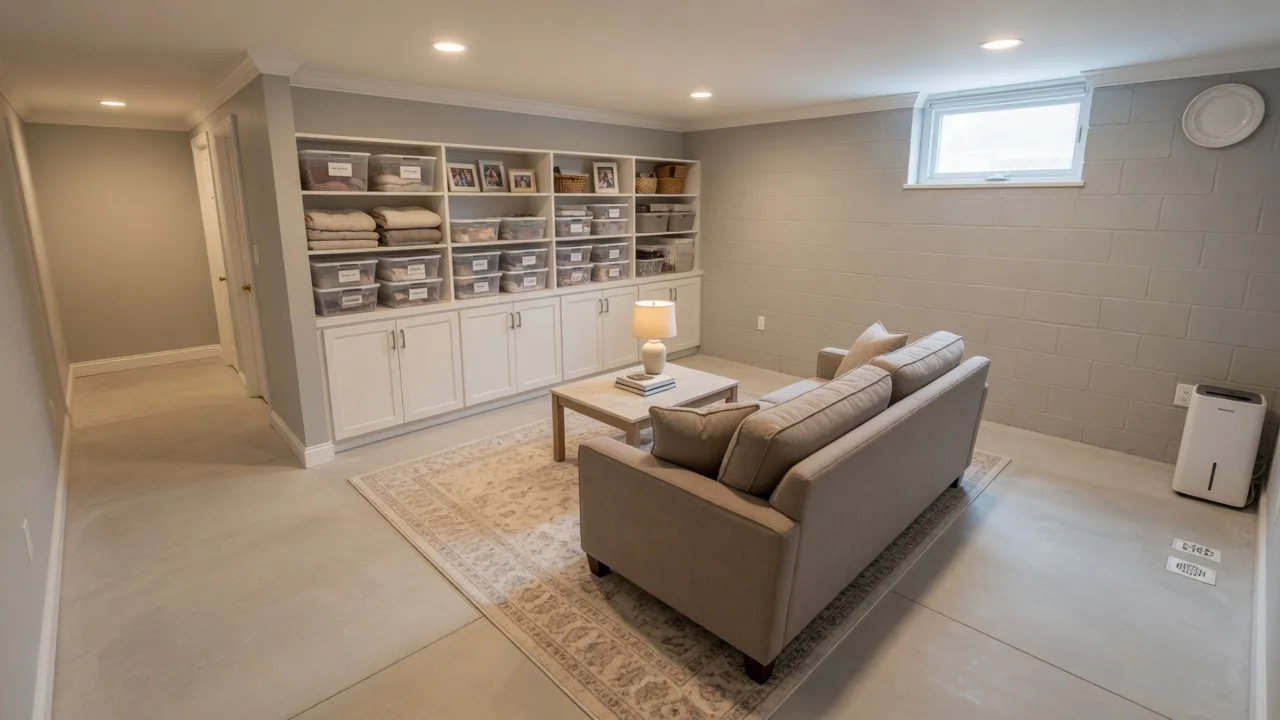
Mount Laurel basements stay dry through one simple idea: keep water away from the foundation outside, and pump out whatever gets in below grade. Because the township sits on a high water table between the South Branch Rancocas Creek to the east and the North Branch Pennsauken Creek to the southwest, many local homes depend on a sump pump, clean gutters, and proper grading to stay dry. This guide walks through how the system works, how to maintain it, and when it is time to call in a waterproofing contractor.
Whether you live in a mid-century rambler in Southgate or a newer colonial in Springdale, the basics are the same. A little yearly attention to your pump and drainage is some of the cheapest insurance a Mount Laurel homeowner can buy.
7-10 Yrs
Typical Sump Pump Lifespan
1x / Yr
Service the Pump, At Minimum
10 ft
Discharge Line From Foundation
$377,400
Median Home Price (08054)
Why Do Mount Laurel Basements Take On Water?
The short answer is that Mount Laurel sits on groundwater. The township's official environmental inventory maps floodplain, wetland, and groundwater-recharge areas, and two major waterways border the community: the South Branch Rancocas Creek along the eastern edge and the North Branch Pennsauken Creek to the south and southwest. Heavy rain raises the water table, and groundwater presses against basement walls and floors from below, finding its way in through wall cracks, floor cracks, and the joint where the floor meets the wall.
Local soil plays a role too. Sandy loam drains quickly in some spots, but lower-lying lots can pool after big storms. Water intrusion is common enough here that most Mount Laurel homes with basements rely on a sump pump or drainage system, and older sections like Ramblewood, Barclay, and Southgate have plenty of below-grade space that depends on those systems.
How Does a Sump Pump Protect Your Home?
A sump pump is a small pump set in a basin, called a sump pit, dug into the lowest point of the basement floor. Groundwater that collects beneath and around the foundation flows into the pit. When the water level rises enough, a float switch turns the pump on, and the pump pushes the water out through a discharge pipe to the yard or storm system.
In homes with an interior perimeter drainage system, a perforated pipe around the inside of the footer collects water and routes it to the pit, so the pump handles seepage that never shows on the floor. For a below-grade home on a high water table, the sump pump is the most important mechanical safeguard you own.
How Often Should a Sump Pump Run, and What Is Normal?
There is no set schedule. A sump pump cycles based on the water level in the pit, so its behavior changes with the weather. In dry weeks it may run a few times a day, or not at all. During and after a storm it naturally cycles more, with short runs of 15 to 45 seconds and several cycles an hour in heavy rain.
What is not normal is a pump that runs every 30 to 60 seconds (short cycling), runs nonstop for long stretches, or keeps running long after the rain stops. Those usually point to an undersized pump, a stuck float switch, or a blocked discharge line. Have a plumber look before the next big storm, not after.
The best habit is to test before a storm: pour a bucket of water into the pit and watch that the pump turns on, empties the pit, and shuts off cleanly.
What Does Yearly Sump Pump Maintenance Involve?
Plan to service the pump at least once a year, twice if it runs often. Most of the routine is simple enough to do yourself:
- Clean the pit and inlet. Unplug the pump and clear any debris, silt, or sediment from the bottom of the basin.
- Test the float switch. The float is the most common failure point. Lift it gently to confirm the pump kicks on, and replace the switch about every two years.
- Check for corrosion. Look for rust, mineral buildup, or signs the pump has been sitting in water that stayed too high.
- Confirm the discharge line is clear. Walk the line to where it exits and make sure it is not kinked, blocked, or frozen.
- Run a bucket test. Pour water into the pit and confirm the full cycle works: on, drains, off.
Sump pump parts and replacement pumps are easy to find locally: J&J Hardware on Ark Road and The Home Depot on Nixon Drive both carry the basics. If you are not comfortable working with the wiring, a licensed plumber can handle the yearly service.
When Should You Replace Your Sump Pump?
A well-made sump pump typically lasts 7 to 10 years. Cast-iron submersible pumps can run 10 to 15 years, while plastic-bodied submersibles usually last 5 to 10 years. Age alone is a reason to plan a replacement. Replace it now if the pump stops pumping, runs nonstop, cycles constantly, makes grinding or unusual noises, vibrates, or shows heavy corrosion and rust.
The worst time to learn your pump has failed is during a March nor'easter with a finished basement. If yours is pushing ten years old, replace it during your next home improvement project rather than waiting.
A working pump is also part of the story when you buy or sell. Buyers commonly ask about water history, and sellers who can show a maintained pump and dry basement have an edge. For neighborhood-level values, the Mount Laurel real estate data page has pricing, and our neighborhood guide explains which sections of town tend to have basements and finished lower levels.
Where Can Sump Pump Water Legally Discharge in New Jersey?
New Jersey treats sump pump water as stormwater, not sewage, and connecting a sump pump to the sanitary sewer is illegal. Municipal codes across the state, including Mount Laurel's own stormwater rules, prohibit it because it overloads the sewer system.
The legal options are straightforward. You can discharge onto your own property onto an absorbent surface such as grass, mulch, or rock, so it soaks in rather than running to the street. The end of the discharge line should sit at least 10 feet from the foundation so the water does not seep back toward your wall. Where a storm sewer connection is available, you may route to it, though some municipalities require a permit first. Never discharge onto a sidewalk, street, right-of-way, or your neighbor's property.
If you are rerouting a discharge line or finishing a basement, check Mount Laurel's stormwater ordinance before planning the route.
How Do You Move Water Away From the Foundation Outside?
The cheapest and most effective waterproofing happens outside the house, keeping water from ever reaching the foundation.
- Keep gutters and downspouts clear. Clogged gutters dump water right next to the foundation. It is the same job our fall home maintenance checklist covers, and it matters all year round.
- Extend downspouts away from the house. Add rigid extensions or flexible pipe so roof water lands several feet from the wall.
- Check the grading. The ground around the house should slope away, about 6 inches over the first 10 feet, since settled soil that dips toward the foundation is a direct path for rainwater.
- Keep mulch and planting beds off the wall. Soil that sits against the siding traps moisture. Leave a few inches of clear foundation visible.
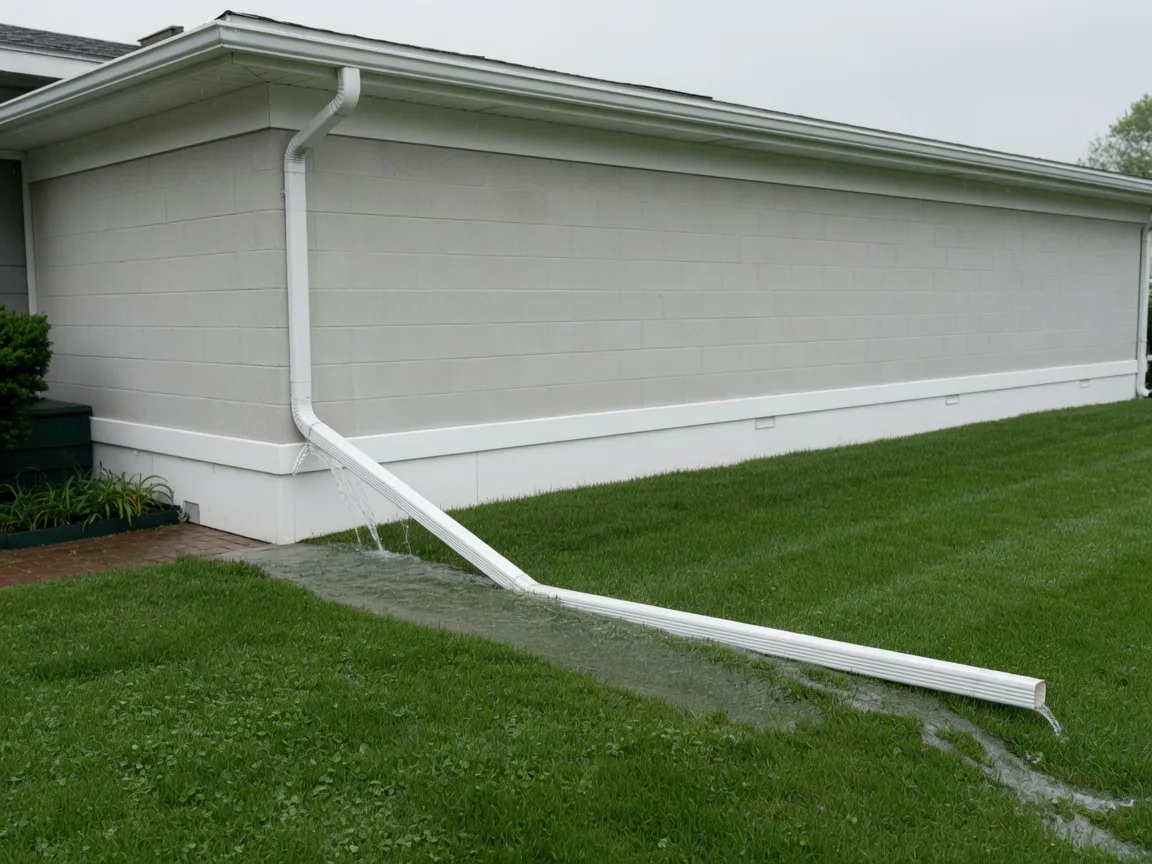
If water pools on the surface beside the house after rain, the interior system has to work far harder. Fixing the exterior first is the smarter order of operations, and it is often a weekend of DIY work.
What Interior Waterproofing Options Fix a Wet Basement?
When exterior fixes are not enough, or when a home already shows signs of seepage, interior systems manage the water that gets through. The most common professional solution is an interior perimeter drainage system, a perforated pipe around the inside of the footer that collects groundwater and carries it to the sump pit, where the pump removes it. It is a proven fix for below-grade floors on a high water table.
Other interior tools include waterproof coatings and sealers for damp walls, vapor barriers for crawl spaces, and a sealed, tight-fitting sump pit cover, which also helps reduce soil gas entry. Call a reputable waterproofing company when you see standing water after storms, persistent dampness or musty odors, chalky mineral staining on walls, or widening cracks. And because a damp lower level can affect air quality, our Mount Laurel home safety checklist covers the radon and carbon monoxide testing every homeowner should have on the calendar.
Is a Dry Basement Worth the Investment?
A dry basement protects the structure, prevents mold and musty smells, and turns unused square footage into usable living space. In a town with a median home price of $377,400, the lower level is a meaningful slice of what your home is worth, and buyers notice when it is dry, bright, and ready to use.
The maintenance here is not glamorous, but it is cheap compared to the alternative. Clean the pit, test the float, walk the discharge line, and keep rain away from the foundation, and most Mount Laurel basements stay dry year after year. Our Mount Laurel cost of living guide shows how a small maintenance budget protects a much larger asset.
Frequently Asked Questions
How often should a sump pump run in Mount Laurel?
A few times a day or not at all in dry weather, and more often during and after rain. Cycling every 30 to 60 seconds or running nonstop is a warning sign.
How long does a sump pump last?
Most sump pumps last 7 to 10 years. Cast-iron submersibles can reach 10 to 15 years, while plastic-bodied pumps usually last 5 to 10 years. Replace it at the first sign of trouble.
Can I connect my sump pump to the sewer line?
No. New Jersey treats sump pump water as stormwater, and connecting it to the sanitary sewer is prohibited. Discharge onto your own absorbent yard at least 10 feet from the foundation, or to a storm sewer where permitted.
Why does my basement smell musty even though the pump works?
Musty odors usually mean excess humidity or a damp wall rather than standing water. A dehumidifier, a sealed sump pit cover, and exterior drainage fixes help. Also test for radon.
Do I need a battery backup sump pump?
It is strongly recommended if you have a finished basement, because the storms that flood a sump pit are often the same storms that knock out power. A battery or water-powered backup keeps the pump running.
Do Mount Laurel homes commonly have basements?
Yes. Many of the township's mid-century and newer homes are built with basements, and because Mount Laurel sits on a high water table, most rely on a sump pump or drainage system to stay dry.
Does a dry basement add home value in Mount Laurel?
A dry, well-maintained basement protects the home and is a genuine selling point, especially where finished lower levels are common. Buyers ask about water history, so a maintained system is a plus at inspection.
Start With the Exterior, Then the Pump
You do not need a basement renovation to protect your home. Start by clearing gutters, extending downspouts, and checking that the ground slopes away from the foundation, then give your pump a yearly service and a bucket test before each storm season. Consistent effort keeps a Mount Laurel basement dry through the wettest weather.

Bob Millaway
Epique Realty Agent · AI Certified Agent
I help Mount Laurel homeowners understand and protect the value of their homes, from the foundation up. If you have questions about your property or the local market, call me at 856.426.1522 or send a message.